Unlocking Year-Round Rhubarb Joy: Your Ultimate Guide on How to Freeze Rhubarb
Few flavors herald the arrival of spring quite like the tart, vibrant taste of rhubarb. Its cheerful pink stalks and bracing zest are a culinary delight, starring in everything from comforting crumbles and pies to refreshing compotes and sauces. Yet, the rhubarb season, typically spanning from late spring to early summer, feels fleeting. If you've ever found yourself with a bountiful harvest or simply wishing that tangy taste could last longer, there’s fantastic news: learning how to freeze rhubarb is remarkably simple and effective, allowing you to enjoy this versatile "pieplant" for up to a year!
Freezing rhubarb is not just about extending its shelf life; it’s about preserving that peak spring freshness and ensuring you have a stash ready for spontaneous baking or dessert cravings, long after the last fresh stalk has disappeared from the garden or market. Whether you're a seasoned gardener with a "glut 'ready to pick' harvest" or just a fan of its unique flavor profile, this comprehensive guide will walk you through every step, ensuring your frozen rhubarb retains its best color, texture, and taste.
Why Freeze Rhubarb? Beyond Just Preservation
The primary benefit of freezing rhubarb is undoubtedly its extended usability. Imagine whipping up a delicious strawberry rhubarb crostata in the dead of winter, or adding a vibrant compote to your breakfast yogurt when the garden is blanketed in snow. But the advantages go further:
- Maximize Bumper Crops: If your garden yields an abundance of rhubarb, freezing is the most efficient way to prevent waste. You can harvest stalks at their prime without the pressure to use them all immediately.
- Lock in Freshness: Freezing captures the rhubarb at its peak flavor and nutritional value, ensuring that even months later, it tastes wonderfully fresh.
- Convenience: Having pre-prepped, frozen rhubarb means less work later. You can grab exactly what you need for a recipe without the washing and chopping.
- Cost-Effective: Buying rhubarb in season when prices are lower, or harvesting your own, and then freezing it, is much more economical than seeking out-of-season fresh options.
The Essential Steps: How to Freeze Rhubarb Effectively
Freezing rhubarb is a straightforward process requiring minimal equipment. Here's what you'll need and how to do it:
- Fresh rhubarb, as much as you like
- Chef's knife or kitchen scissors
- Cutting board
- Freezer bags or airtight containers
- Optional: large pot for blanching, baking sheets, parchment paper
Step 1: Prep Your Rhubarb with Precision
Thorough preparation is the foundation of successful freezing. This isn't just about cleanliness; it's about safety and ensuring your rhubarb is in the best possible condition for long-term storage.
- Wash Thoroughly: Rhubarb grows close to the ground, so stalks can collect dirt, grit, and even small insects. Rinse each stalk under cold running water, scrubbing gently with your fingers or a soft brush if needed, to remove all impurities.
- Trim and Discard Leaves: This is a crucial safety step. Rhubarb leaves are dangerously toxic due to their high oxalic acid content. Carefully trim away and discard all leaves and any tough, fibrous ends from the stalks. Do not eat them or feed them to pets.
- Pat Dry Completely: Excess moisture can lead to freezer burn and ice crystal formation, which degrades the quality of your frozen rhubarb. Lay the washed and trimmed stalks on a clean kitchen towel or paper towels and pat them thoroughly dry. Let them air dry for a bit longer if necessary.
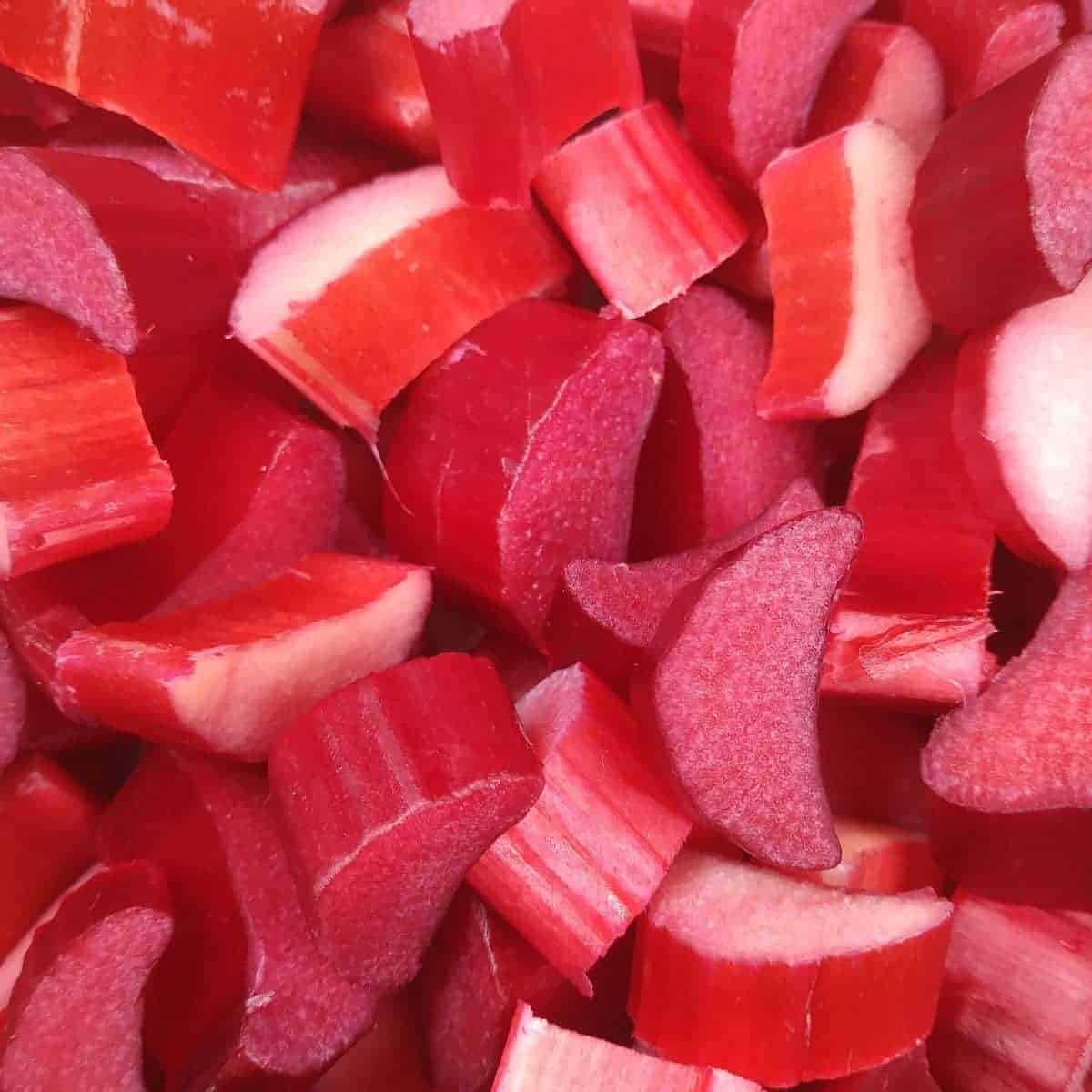
- Slice into Uniform Pieces: Using a sharp chef's knife or kitchen scissors, slice the rhubarb stalks into small pieces, typically 1 to 2 inches long. Uniform pieces ensure even freezing and thawing, which is beneficial for consistent cooking results later on.
Step 2: To Blanch or Not to Blanch? A Deeper Dive
Blanching is an optional step that involves briefly submerging vegetables in boiling water, then immediately cooling them in ice water. For rhubarb, blanching is primarily done to preserve its vibrant color, especially if you plan to freeze it for more than three months. However, many home cooks, including experts, often skip this step for rhubarb.
- When to Blanch: If you're particularly keen on maintaining that "peppy pink color" for visually important dishes like pies, tarts, or specific desserts where color truly matters, blanching for one minute can help. After the minute in boiling water, immediately transfer the rhubarb to an ice bath to halt the cooking process. You want it crisp, not par-cooked and flaccid. Once cooled, drain and pat it *very* dry again before freezing.
- When to Skip: For most applications, such as compotes, sauces, muffins, or anything where the rhubarb will be cooked down anyway (and naturally takes on a slightly brownish hue), blanching isn't strictly necessary. The flavor and texture will still be excellent without this extra step. Many find the convenience of skipping blanching outweighs the slight color benefit.
Step 3: Freezing for Optimal Storage and Convenience
How you freeze your rhubarb depends on how you plan to use it later.
- Flash Freezing (Recommended for Individual Pieces): This method prevents pieces from clumping together, allowing you to easily scoop out just the amount you need for a recipe.
- Scatter the prepared rhubarb pieces in a single layer over a baking sheet lined with parchment paper.
- Place the baking sheet in the freezer for 2-4 hours, or until the rhubarb pieces are completely frozen solid.
- Once frozen, transfer the individual pieces into a freezer bag or airtight container.
- Portion Freezing (Great for Pre-Measured Recipes): If you know you'll need specific amounts for your favorite recipes (e.g., 2 cups for a specific jam or custard), you can pre-measure and freeze in those exact portions.
- Measure out the desired amount of rhubarb directly into freezer bags or containers.
- Press out as much air as possible from freezer bags before sealing to prevent freezer burn. For containers, ensure they are tightly sealed.
- Label Everything! No matter which method you choose, always label your freezer bags or containers with the date and contents. This seems obvious but is easily forgotten and crucial for proper inventory management. Rhubarb freezes well for up to one year.
Cooking with Frozen Rhubarb: Tips for Success
One of the best aspects of freezing rhubarb is its versatility in the kitchen. You can use frozen rhubarb just as you would fresh, often without needing to defrost it first. Here are some key considerations:
- Cook Directly from Frozen: For most recipes, such as compotes, sauces, crumbles, and muffins, you can add frozen rhubarb directly to your pot or baking dish. Its structure will break down nicely during cooking.
- Managing Extra Moisture: Frozen rhubarb can release more liquid than fresh rhubarb, especially if it's frosted with ice.
- For dishes where excess moisture could be an issue (like pies or tarts that need a firm filling), you have a couple of options:
- Drain: Briefly thaw the rhubarb in a colander to drain off some of the excess liquid, though this isn't always necessary.
- Cook Down: Pop the frozen rhubarb into a saucepan with a touch of sugar and, optionally, a thickening agent like cornstarch or flour. Cook it down slightly until some of the moisture evaporates or is absorbed, then let it cool before adding it to your pie filling. This helps achieve the desired texture.
- For recipes like muffins or quick breads, you might need to slightly increase the flour or reduce other liquids in the recipe to compensate for the added moisture from the frozen rhubarb.
- Explore New Recipes: Don't limit yourself! Frozen rhubarb is excellent in oatmeal, smoothies, overnight oats, and even savory glazes for pork or chicken. For more ideas on how to utilize your stash, check out Don't Waste Your Rhubarb! Simple Freezing Guide for Bumper Crops.
Long-Term Storage and Troubleshooting
With proper freezing techniques, your rhubarb will maintain its quality for up to a year. To prevent freezer burn, which can dry out food and affect flavor, always ensure:
- Minimal Air Exposure: Use high-quality freezer bags that you can press most of the air out of, or fill containers as full as possible to reduce air pockets.
- Consistent Temperature: A stable freezer temperature (0°F / -18°C or below) is key. Avoid frequent thawing and refreezing, which can degrade texture.
If you notice some ice crystals on your rhubarb, it's usually still fine to use, especially if cooked. Just be mindful of the extra moisture it might introduce into your recipe. If the rhubarb appears overly mushy upon thawing or has developed an off-odor, it's best to discard it.
Mastering how to freeze rhubarb is a simple yet incredibly rewarding skill for any home cook or gardener. It empowers you to enjoy the distinctive, tangy flavor of this beloved spring vegetable all year long, transforming seasonal bounty into convenient, long-lasting ingredients. So, embrace the ease of freezing and keep that vibrant, zesty taste within reach, ready to brighten your dishes no matter the season!
- For dishes where excess moisture could be an issue (like pies or tarts that need a firm filling), you have a couple of options:
