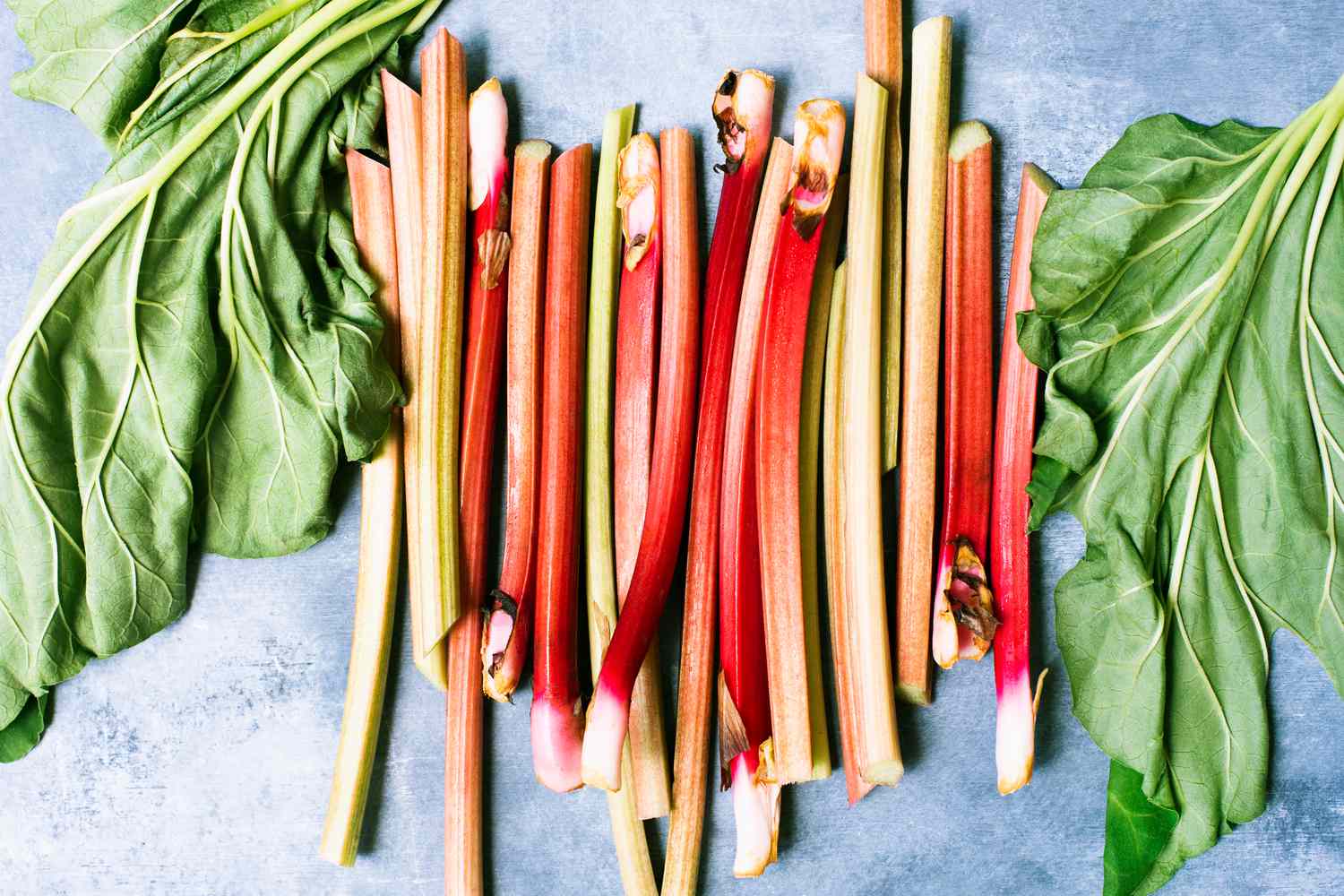
Don't Let Your Rhubarb Bumper Crop Go to Waste: A Comprehensive Freezing Guide
The arrival of vibrant pink and green rhubarb stalks is one of the true delights of spring, signaling warmer days and a bounty of delicious possibilities. From classic rhubarb pies and crumbles to refreshing sauces and compotes, its tart, unique flavor is simply irresistible. However, rhubarb season, much like spring itself, is fleeting. What happens when your garden yields a glorious bumper crop, or you find an incredible deal at the farmer's market, and you simply can't use it all before it spoils? The answer, thankfully, is simple and incredibly effective: learn how to freeze rhubarb!
Freezing rhubarb is a game-changer for any enthusiast, allowing you to capture that peppy, bracing flavor and beautiful color for enjoyment all year long. Imagine whipping up a batch of rhubarb muffins in the dead of winter or adding a tart punch to your summer BBQ with a rhubarb compote – all thanks to a bit of foresight and an easy freezing method. This guide will walk you through everything you need to know, ensuring your "pieplant" preserves its zest for months to come.
Why Freeze Rhubarb? Unlocking Year-Round Enjoyment
There are numerous compelling reasons why freezing rhubarb is an excellent idea, extending far beyond simply preventing waste:
- Extend the Season: Rhubarb is typically available from late spring through early summer. Freezing allows you to enjoy its unique taste long after the fresh stalks have disappeared from gardens and grocery shelves.
- Handle Bumper Crops: If you're a gardener, you know how quickly rhubarb can multiply. Freezing is the perfect solution for managing an abundant harvest, ensuring no precious stalk goes to waste.
- Convenience: Having pre-prepped, frozen rhubarb on hand means less work when you're ready to bake or cook. It's often ready to use directly from the freezer, saving you valuable time.
- Cost-Effective: Buying rhubarb in season or harvesting from your garden is often cheaper than trying to find it out of season. Freezing allows you to stock up when prices are low.
- Versatility: Frozen rhubarb is incredibly versatile, suitable for almost any recipe that calls for fresh.
By learning how to freeze rhubarb effectively, you're not just preserving a vegetable; you're preserving a piece of spring's cheerful promise for whenever you need a culinary pick-me-up.
Essential Tools and Ingredients for Freezing Rhubarb
Before you dive into the freezing process, gather your supplies. The good news is, you likely already have most of what you need in your kitchen.
- Fresh Rhubarb: As much as you have or desire to freeze! Look for firm, crisp stalks without blemishes.
- Chef's Knife or Kitchen Scissors: For trimming and slicing.
- Cutting Board: A stable surface for preparation.
- Large Bowl or Colander: For washing the rhubarb.
- Clean Kitchen Towels or Paper Towels: For thoroughly drying the rhubarb.
- Baking Sheets or Large Plates: Essential for flash freezing, if you choose this method.
- Freezer Bags or Airtight Containers: High-quality options designed for freezing will prevent freezer burn. Consider reusable silicone bags for an eco-friendly choice.
- Permanent Marker and Labels: Crucial for dating and identifying your frozen bounty.
- Optional (for blanching): Large pot, slotted spoon, and a large bowl of ice water.
Step-by-Step Guide: How to Freeze Rhubarb Perfectly
Freezing rhubarb is surprisingly straightforward. Follow these steps for the best results, ensuring vibrant color and excellent texture when you're ready to use it.
Step 1: Prepare Your Rhubarb Safely
Safety first! Rhubarb leaves are toxic due to their high oxalic acid content. Always trim and discard them completely. Do not compost them where they might be ingested by animals, and certainly do not eat them or feed them to pets.
- Wash Thoroughly: Since rhubarb grows close to the ground, dirt and grit can cling to the stalks. Wash the rhubarb under cold running water, scrubbing gently to remove any debris.
- Trim and Discard Leaves: Cut off any remaining leaf material and the very end of the root, then discard responsibly.
- Pat Dry: This step is crucial! Excess moisture can lead to ice crystals and freezer burn. Lay the clean stalks on a clean kitchen towel or paper towels and pat them until thoroughly dry.
- Slice into Pieces: Using a chef's knife or kitchen scissors, cut the rhubarb stalks into uniform pieces, about 1 to 2 inches long. Uniformity helps ensure even freezing and thawing.
Step 2: To Blanch or Not to Blanch?
Blanching is an optional step that involves briefly boiling and then rapidly chilling vegetables. For rhubarb, blanching primarily helps to preserve its vibrant pink color, especially if you plan to store it for longer than three months. However, many home cooks, myself included, often skip this step because cooked rhubarb naturally tends to turn a bit brownish anyway, and the flavor isn't significantly impacted by skipping it.
- If You Choose to Blanch:
- Bring a large pot of water to a rolling boil.
- Carefully drop the rhubarb pieces into the boiling water for just one minute.
- Using a slotted spoon, quickly transfer the rhubarb into a large bowl of ice water (this is called an ice bath) to immediately halt the cooking process. You want the rhubarb to remain crisp, not become soft.
- Drain the blanched rhubarb well and pat it very thoroughly dry again before proceeding to the freezing step.
If you're freezing rhubarb for shorter periods or don't mind a slight color change, feel free to skip blanching. The choice is yours!
Step 3: The Freezing Process – Preventing Clumps
This is where you decide between direct bagging or the highly recommended flash-freezing method.
Option A: Direct Freezing (for specific recipes)
If you know exactly how much rhubarb you'll need for particular recipes (e.g., 2 cups for a pie, 1 cup for a compote), you can portion the fresh or blanched rhubarb directly into freezer bags or containers. This method is quick, but the pieces might clump together, making it harder to measure out smaller portions later.
Option B: Flash Freezing (recommended for versatility)
Flash freezing is the preferred method for most, as it prevents the rhubarb pieces from sticking together, allowing you to scoop out just the amount you need later. This is often highlighted as the easiest method for how to freeze rhubarb.
- Arrange on Baking Sheets: Scatter the prepared (and thoroughly dried) rhubarb pieces in a single layer on a baking sheet or large plate. Make sure the pieces don't touch each other too much.
- Freeze Until Solid: Place the baking sheet in the freezer for 1-2 hours, or until the rhubarb pieces are completely frozen solid.
- Transfer to Storage: Once frozen, quickly transfer the individual pieces into freezer bags or airtight containers. This rapid transfer minimizes thawing.
- Label and Date: Use a permanent marker to clearly label each bag or container with the contents ("Rhubarb") and the date it was frozen. This is crucial for proper inventory management and ensures you use your oldest stock first.
For more detailed insights into effective freezing techniques and ensuring your frozen produce stays fresh, you might find valuable information in How to Freeze Rhubarb: Your Easy Guide to Year-Round Enjoyment.
Cooking with Frozen Rhubarb: Tips and Tricks
One of the best aspects of frozen rhubarb is its ease of use. In most cases, you can use it just as you would fresh rhubarb, often without needing to thaw it first! However, there are a few considerations.
- Cook Directly from Frozen: For most applications like crumbles, pies, sauces, or compotes, simply add the frozen rhubarb directly to your recipe. It will cook down beautifully.
- Adjust for Moisture: Frozen rhubarb will release more liquid than fresh rhubarb as it thaws and cooks. For recipes where moisture content is critical, such as pies or tarts, you might need to adjust.
- For Pies/Tarts: If you're concerned about a soggy bottom, consider gently cooking down the frozen rhubarb in a saucepan with a touch of sugar (and perhaps a teaspoon or two of cornstarch or flour) before adding it to your pie filling. This helps to evaporate excess moisture and thicken the juices. Let it cool slightly before incorporating into your pie.
- For Other Baked Goods: For muffins or quick breads, you can often add frozen rhubarb directly, but be mindful that the extra moisture might require a slight increase in baking time or a small reduction in other liquids in the recipe.
- No Thawing Needed (Usually): Avoid fully thawing rhubarb before cooking, as it can become mushy. If a recipe absolutely calls for thawed rhubarb, simply let it sit at room temperature for a short while until it's slightly softened but still firm.
How Long Can You Keep Frozen Rhubarb?
Properly frozen rhubarb, stored in airtight containers or freezer bags, will maintain its quality for up to one year. Beyond that, it's still safe to eat, but its quality, flavor, and texture might start to decline. Always label your packages with the freezing date to help you keep track of your stock.
To ensure you're getting the most out of your frozen goods and to learn more about preserving its delicious essence, explore additional expert advice on Preserve Rhubarb's Zest: Freeze for Up to a Year with These Tips.
Conclusion
Don't let the short rhubarb season limit your enjoyment of this incredible vegetable. Learning how to freeze rhubarb is a simple yet powerful skill that opens up a world of culinary possibilities year-round. Whether you're dealing with a generous garden harvest or simply want to extend the life of a market find, these straightforward steps will ensure you have a stash of cheerful pink goodness ready for any craving. So, gather your stalks, follow this guide, and prepare to savor the bright, tart flavor of rhubarb long after spring has faded.
