Why Freezing Rhubarb is a Game-Changer for Home Cooks
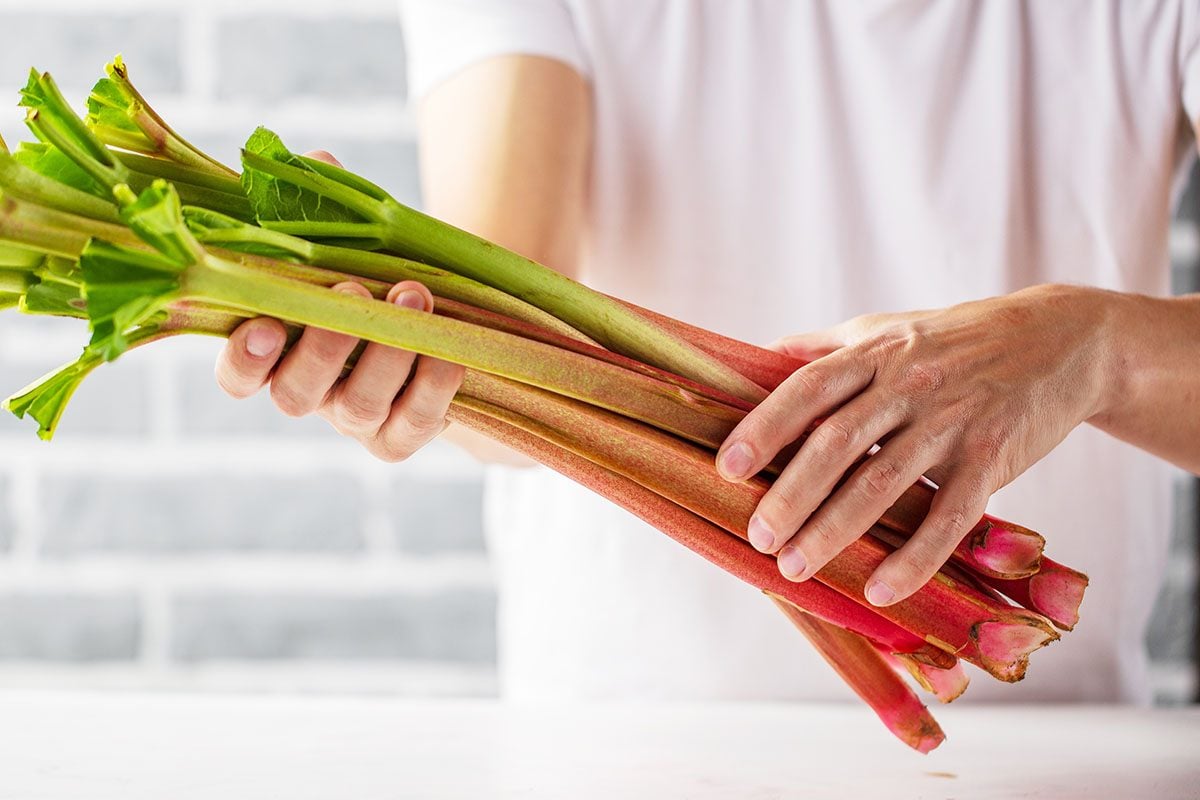
There's something undeniably cheerful about the appearance of rhubarb in spring. Its vibrant pink and green stalks, with their distinctly tart and bracing flavor, signal the arrival of warmer days and the promise of delicious pies, crumbles, compotes, and sauces. However, this culinary delight is notoriously short-lived, gracing our gardens and markets for just a few precious weeks from late spring to early summer.
For avid bakers, home cooks, and gardeners blessed with a bumper crop, this limited season can be a source of frustration. How do you extend the joy of rhubarb beyond its fleeting window? The answer, thankfully, is simple and incredibly effective: learn how to freeze rhubarb. Freezing is an easy-peasy method that allows you to capture the essence of spring's bounty and enjoy it year-round. It's a true game-changer, preventing waste and ensuring that you always have this "pieplant" on hand for your favorite recipes, whether it's a cozy rhubarb coffee cake in the fall or a refreshing strawberry rhubarb crostata in the dead of winter.
Beyond extending its seasonality, freezing rhubarb offers several compelling advantages:
- Prevents Waste: If you've got an abundance of fresh rhubarb from your garden or a great deal at the market, freezing is the perfect way to preserve it before it spoils. It ensures that every delicious stalk finds its purpose.
- Unmatched Convenience: Imagine having pre-prepped, perfectly portioned rhubarb ready to go for any recipe at a moment's notice. Freezing transforms fresh rhubarb into a convenient, freezer-friendly ingredient that cuts down on prep time when you're ready to cook.
- Versatility Preserved: Frozen rhubarb maintains its distinct tart flavor and texture, making it suitable for virtually any recipe that calls for fresh rhubarb. From sweet desserts to savory glazes, its culinary possibilities remain endless.
- Budget-Friendly: Buying rhubarb in season when prices are lower, then freezing it, can be more economical than seeking out-of-season options that might be pricier and less fresh.
Rhubarb is not just delicious; it's also a healthy vegetable, rich in fiber and antioxidants. By mastering how to freeze rhubarb, you're not just preserving a food item; you're securing a year-long supply of healthy, flavorful ingredients for countless mouthwatering recipes.
The Essential Steps: How to Freeze Rhubarb Like a Pro
Freezing rhubarb is a straightforward process, but a few key steps will ensure your frozen stash retains its best color, texture, and flavor for up to a year. Follow this comprehensive guide to get started.
Step 1: Gathering Your Supplies
Before you begin, gather everything you'll need. Being prepared makes the process much smoother.
- Fresh Rhubarb: As much as you like! Look for firm, vibrant stalks.
- Chef's Knife or Kitchen Scissors: For trimming and slicing.
- Cutting Board: A stable surface for preparation.
- Colander: For washing the rhubarb.
- Paper Towels or Clean Kitchen Towels: Essential for thoroughly drying the stalks.
- Baking Sheets: Several, if you have them, to spread out the rhubarb.
- Parchment Paper or Silicone Mats: To line baking sheets and prevent sticking during flash freezing.
- Freezer Bags (Heavy-Duty) or Airtight Freezer Containers: For long-term storage.
- Permanent Marker: For labeling your frozen packages.
- Optional for Blanching: Large pot, slotted spoon, large bowl of ice water.
Step 2: Preparing Your Rhubarb Stalks
Proper preparation is key to ensuring your rhubarb freezes well and is safe to eat.
- Wash Thoroughly: Since rhubarb grows close to the ground, dirt and grit can easily cling to the stalks. Wash each stalk under cold running water, scrubbing gently if needed, to remove any debris.
- Trim and Discard Leaves: This is a crucial safety step. All rhubarb leaves are dangerously toxic and should never be consumed by humans or pets. Trim away and discard all green leafy parts and the very end of the stalk. Only the pink and green stalks are edible.
- Pat Dry: After washing, it's incredibly important to pat the rhubarb pieces completely dry with paper towels or a clean kitchen towel. Any excess moisture can lead to ice crystals and freezer burn, compromising the quality of your frozen rhubarb.
- Slice into Pieces: Using a chef's knife or kitchen scissors, slice the rhubarb stalks into uniform pieces, typically about one to two inches long. Uniformity ensures even freezing and cooking later on.
Step 3: Blanching: To Blanch or Not to Blanch?
Blanching is an optional step, but one worth considering, especially if you plan to store your rhubarb for more than three months or care deeply about preserving its vibrant color.
- What is Blanching? Blanching involves briefly immersing vegetables in boiling water, then immediately cooling them in an ice bath to halt the cooking process. This helps to set color, slow enzyme activity, and preserve freshness.
- The Benefits: For rhubarb, blanching primarily helps to maintain its bright pink color. While cooked rhubarb tends to brown a bit anyway, blanching can keep it looking its best for longer in the freezer. It can also help retain texture.
- The Process (If You Choose To): Bring a large pot of water to a rolling boil. Drop the sliced rhubarb pieces into the boiling water for exactly one minute. Using a slotted spoon, quickly transfer the rhubarb to a large bowl of ice water to stop the cooking. Once thoroughly chilled, drain the rhubarb well and pat it extremely dry again before proceeding to the next step.
- Our Take: Many home cooks skip blanching for rhubarb because it's often cooked down into compotes or sauces where the color isn't the primary concern. However, if you're making a pie where aesthetics matter, or if you're freezing a large batch for year-long use, it's a worthwhile extra step.
Step 4: Flash Freezing for Optimal Results
This is arguably the most important step for convenience and quality when learning how to freeze rhubarb. Flash freezing prevents your rhubarb pieces from clumping together into one solid block, allowing you to easily grab just the amount you need later.
- Arrange on Baking Sheets: Spread the thoroughly dried (and blanched, if applicable) rhubarb pieces in a single layer on baking sheets lined with parchment paper or silicone mats. Ensure the pieces aren't touching each other as much as possible.
- Freeze Until Solid: Place the baking sheets in the freezer for several hours, or until the rhubarb pieces are completely frozen solid. Depending on your freezer and the amount of rhubarb, this could take 2-4 hours.
Step 5: Packaging for Long-Term Storage
Once your rhubarb is flash-frozen, it's ready for its final packaging.
- Transfer to Bags/Containers: Scoop the frozen rhubarb pieces off the baking sheets and transfer them into heavy-duty freezer bags or rigid airtight freezer containers.
- Remove Air: If using freezer bags, press out as much air as possible before sealing. Air is the enemy of frozen food, causing freezer burn. A vacuum sealer is excellent for this if you have one.
- Portion and Label: Consider portioning your rhubarb into amounts you typically use for recipes (e.g., 2 cups for a pie, 1 cup for muffins). This makes future cooking even easier. Label each bag or container with the date and the quantity. This way, you'll know exactly how much you have and how long it's been stored. For more detailed tips on maximizing your frozen rhubarb's lifespan and flavor, you might find valuable insights in our article on Preserve Rhubarb's Zest: Freeze for Up to a Year With These Tips.
- Store: Place the labeled rhubarb in your freezer. Properly frozen rhubarb can last for up to one year, maintaining its quality and flavor.
Cooking with Frozen Rhubarb: Tips and Tricks
One of the best things about freezing rhubarb is how easy it is to use once it's frozen. You typically don't even need to defrost it!
- Cook Directly From Frozen: For most recipes, you can use frozen rhubarb straight from the freezer. Simply add it to your pot, pan, or baking dish as you would fresh rhubarb. This is particularly convenient for compotes, sauces, and baked goods like muffins or crumbles.
- Manage Extra Moisture: Frozen rhubarb will release more liquid than fresh rhubarb as it cooks. This isn't usually an issue for sauces or compotes, as the liquid will simply cook down. However, for recipes where moisture content is critical, like pies, tarts, or specific types of cakes, you have a few options:
- Cook Down First: If your recipe calls for a very specific texture, especially in pies, you can pop the frozen rhubarb into a saucepan with a touch of sugar and a thickener like cornstarch or flour. Cook it down gently until some of the extra moisture has evaporated and the mixture has thickened slightly. Allow it to cool before adding to your pie crust.
- Adjust Thickeners: Alternatively, you can slightly increase the amount of cornstarch, flour, or other thickeners in your pie or crumble recipe to account for the additional liquid.
- Versatile Applications: Flash-frozen rhubarb means you can easily scoop out just the right amount for your culinary adventures. Whether you're making rhubarb coffee cake, rhubarb muffins, strawberry rhubarb crostata, or even a tangy cocktail mixer, your frozen stash is ready. Don't let a bountiful harvest go to waste; explore our guide on Don't Waste Your Rhubarb! Simple Freezing Guide for Bumper Crops for more creative uses.
Frequently Asked Questions About Freezing Rhubarb
Here are some common questions about freezing rhubarb, ensuring you have all the information you need for successful preservation.
- How long can you freeze rhubarb?
When properly packaged and stored in a consistent freezer, rhubarb can be frozen for up to one year while maintaining optimal quality. After a year, it's still safe to eat, but its texture and flavor might start to degrade slightly.
- Do I have to blanch rhubarb before freezing?
No, blanching is optional. Many home cooks skip it, especially if they plan to use the rhubarb within a few months or if it's destined for a dish where color isn't paramount (like a dark compote). However, blanching does help preserve the vibrant pink color and can contribute to better texture retention for longer storage periods (3+ months).
- Can I freeze cooked rhubarb?
Yes! If you've already made a compote, sauce, or even a pie filling, these can often be frozen successfully. Allow the cooked rhubarb to cool completely before transferring it to freezer-safe containers. Leave some headspace for expansion, then label and freeze. Cooked rhubarb usually freezes well for 3-6 months.
- What's the best way to store rhubarb in the freezer?
The best method involves flash freezing the individual pieces on a baking sheet first, then transferring them to heavy-duty freezer bags or airtight containers. Removing as much air as possible (using a vacuum sealer if available) is crucial to prevent freezer burn and maintain quality.
- What if my rhubarb turns a bit brownish after freezing? Is it still good?
Yes, absolutely! It's common for rhubarb, especially if not blanched, to lose some of its vibrant pink color and appear a bit brownish after freezing and cooking. This is a natural oxidation process and does not affect its safety or delicious tart flavor. It's perfectly fine to eat and cook with.
Mastering how to freeze rhubarb is a simple skill that unlocks a world of year-round culinary possibilities. From its cheerful spring appearance to its tart, refreshing flavor in countless dishes, rhubarb is a true garden gem. By following these easy steps, you can confidently preserve your harvest, prevent food waste, and ensure that the delightful taste of rhubarb is always within reach, no matter the season. So, embrace the freezer, extend the enjoyment, and get ready to bake, cook, and create with this versatile "pieplant" all year long!
